For many homeowners in LA and Ventura Counties, selling and moving isn't the answer. A well-planned home addition gives you exactly the space you need, custom-built to your home and lifestyle — while adding long-term property value.
According to Houzz's 2024 U.S. Home Study, 62% of renovating homeowners planned to stay in their homes at least 11 years — proof that adding space in place is the strategy most families are choosing.
This guide covers the most popular addition types, design principles that prevent the "tacked-on" look, realistic cost ranges for the LA market, and what the permitting process actually involves.
Key Takeaways
- Home additions range from simple bump-outs to full second-story builds — the right choice depends on your goals, lot, and budget
- Matching exterior materials, roof pitch, and interior finishes is what separates a seamless addition from one that detracts from curb appeal
- In LA, ground-floor additions run $80–$200/sq ft; second-story additions start at $200–$300/sq ft and climb from there
- All structural additions in LA County require permits — factor permitting timelines into your project schedule from the start
- Always budget a 10–20% contingency on top of your base construction estimate
Popular Home Addition Ideas to Increase Square Footage
No single addition type is right for every home. The best option depends on your goals, your lot, your existing layout, and your budget — so here's a practical breakdown of the most common approaches and where each one fits.
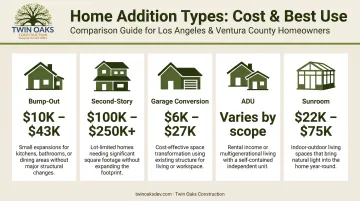
| Addition Type | Typical Cost Range | Best For |
|---|---|---|
| Bump-Out | $10,000–$43,000 | Small space expansions |
| Second-Story | $100,000–$250,000+ | Maximizing lot-limited homes |
| Garage Conversion | $6,000–$27,000 | Cost-effective livable space |
| ADU | Varies by scope | Rental income, multigenerational living |
| Sunroom / Enclosed Patio | $22,000–$75,000 | Indoor-outdoor living |
Bump-Out Addition
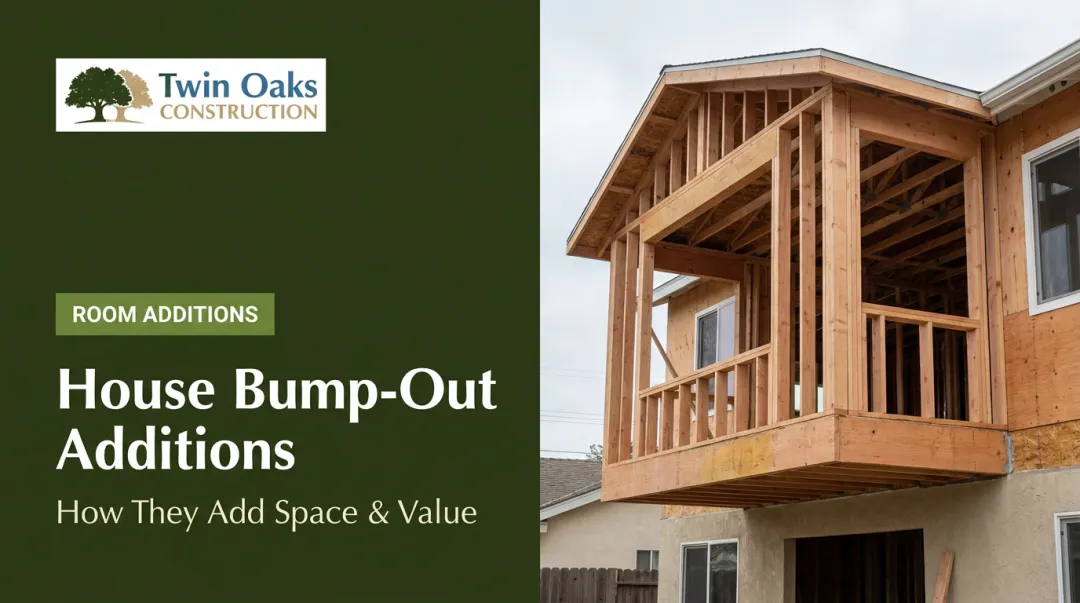
A bump-out extends an existing room by a few feet — enough to add a breakfast nook to a cramped kitchen, widen a living room, or create a reading corner off a bedroom. It's one of the most accessible entry points for homeowners who need just a bit more breathing room without a major structural overhaul.
Typical costs run $90–$300 per square foot, with most projects falling between $10,000 and $43,000 depending on size and scope. Small bump-outs (4x10 feet) can come in under $12,000 when plumbing and electrical aren't involved.
Second-Story Addition
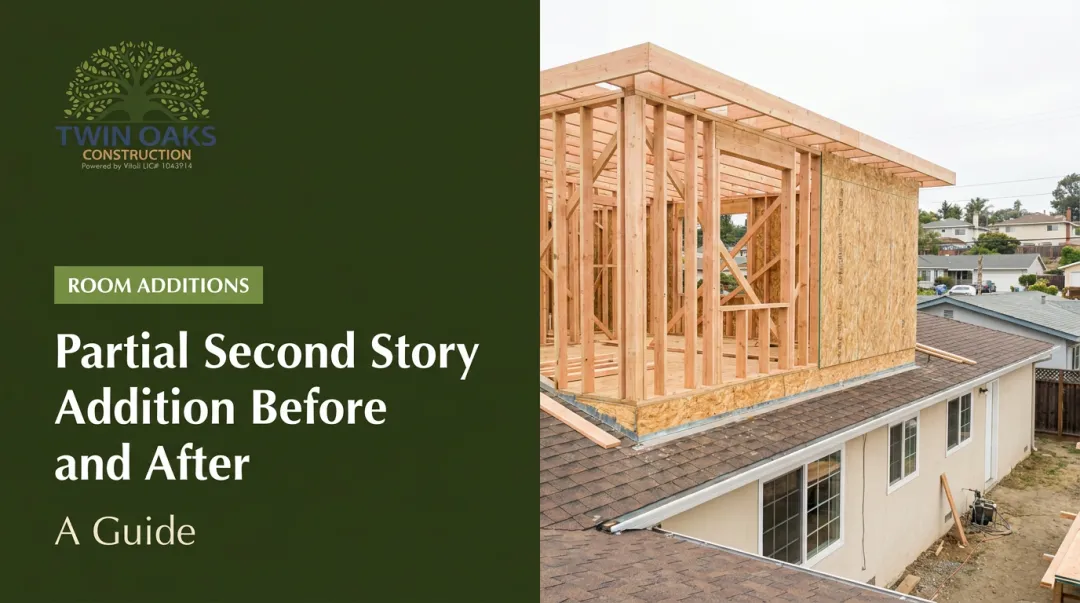
When your lot leaves no room to expand outward, building up is the answer. A second-story addition can effectively double your home's livable area — adding multiple bedrooms, bathrooms, or a dedicated workspace in one project.
It's also the most structurally complex option. California's building code requires that if the addition isn't structurally independent, the entire combined structure must meet current seismic and wind load standards — adding engineering costs that don't apply in most other states.
Nationally, second-story additions typically range from $100,000 to $250,000, with LA-area projects starting around $200/sq ft and reaching $300–$700/sq ft for more complex builds.
Garage Conversion
Converting an underused garage into livable space — a home office, guest suite, or gym — is often the most cost-effective addition on this list. The foundation, walls, and roof already exist, which eliminates a significant chunk of what makes new construction expensive.
National averages for garage conversions run $6,000–$27,000, with an estimated 80% ROI — making them one of the stronger investments on this list when resale value matters.
ADU (Accessory Dwelling Unit)
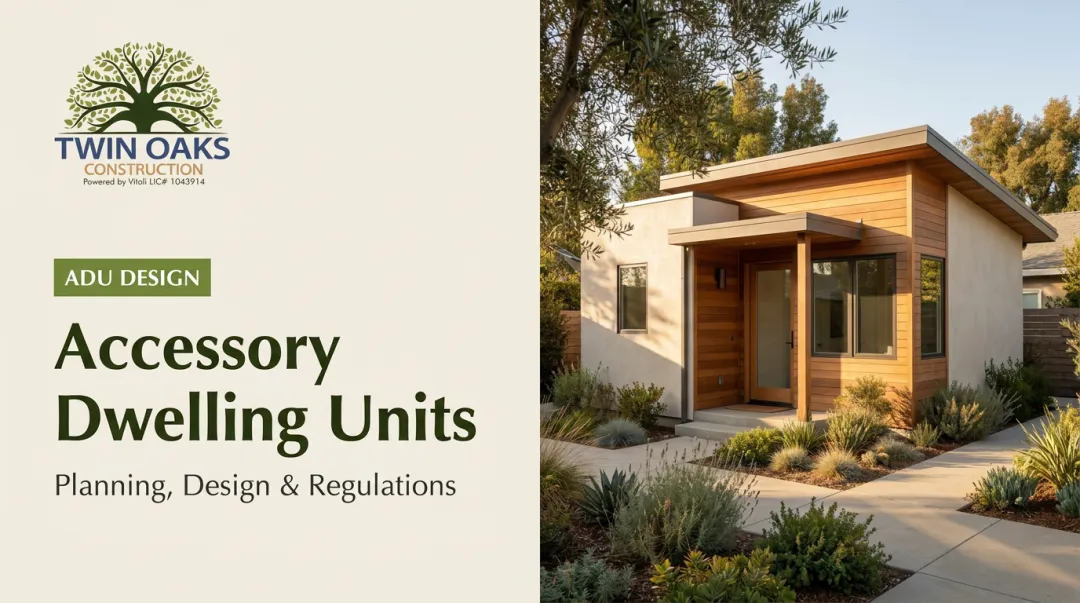
An ADU is a self-contained living unit — with its own kitchen and bathroom — either attached to or detached from the main home. They're ideal for rental income, housing aging parents, or giving adult children a private space without leaving the property.
California has made ADUs easier to build than almost anywhere else in the country. State ADU permits grew from 1,336 in 2016 to 30,354 in 2024, representing over 26% of all residential permits issued statewide. Recent legislation (SB 897, AB 2221) cut local permit review time from 120 days to 60 days.
Twin Oaks builds custom ADUs and garage conversion ADUs across LA and Ventura Counties, handling design, permitting, and construction in-house.
Sunroom or Enclosed Patio
Southern California's climate makes a sunroom or enclosed patio a natural extension of the home. Glass walls and sliding doors open the interior to natural light and outdoor views — adding usable square footage that feels spacious year-round without requiring a full structural addition.
Sunroom additions typically cost $22,000–$75,000 nationally, with an estimated 49% ROI. Building over an existing deck or patio reduces costs considerably compared to starting from grade.
Choosing the Right Addition for Your Goals
Before committing to an addition type, match the project to your actual need. Here's a simple framework:
| Primary Goal | Best Addition Option |
|---|---|
| Growing family needs bedrooms | Second-story addition or room addition |
| Work-from-home space | Bump-out or garage conversion |
| Rental income or in-law suite | ADU or attached suite |
| Indoor-outdoor living | Sunroom or enclosed patio |
| Budget-conscious expansion | Garage conversion or bump-out |
Think beyond today's need, too. A family that needs a playroom now might want a home office or guest suite in ten years. Planning for that shift upfront — through open framing, convertible room sizing, or roughed-in electrical — saves significant cost down the line.
How Lot Size and Zoning Constrain Your Options
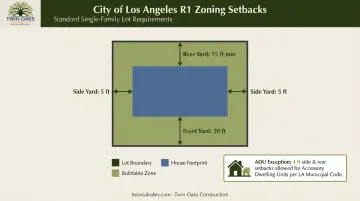
Your lot is the most important variable most homeowners overlook. In the City of LA, standard R1 zoning sets:
- Front yard: 20% of lot depth, capped at 20 feet
- Side yards: Generally 5 feet (minimum 3 feet on narrow lots)
- Rear yard: Minimum 15 feet
- Maximum floor area ratio: 0.45 for standard R1 lots
These constraints directly shape which addition types are realistic for your property. Homeowners with smaller lots are often limited to upward additions, garage conversions, or ADUs. Those with larger lots have more horizontal flexibility. For ADUs specifically, new construction requires only 4-foot side and rear setbacks, which is more lenient than the rules governing the primary structure.
Twin Oaks Construction consults with homeowners in LA and Ventura Counties to identify which addition type is feasible for their specific property — factoring in lot size, existing layout, zoning constraints, and budget. Contact their team at (833) 621-7251 or through twinoaksdev.com/contact.
Design Tips for a Seamless, Space-Maximizing Addition
An addition that looks like an afterthought hurts curb appeal and can actually reduce property value. Good design makes the new space feel like it was always there.
Match the Exterior First
Architectural cohesion starts outside. Before finalizing any addition design, document your home's:
- Roof pitch and overhang depth
- Window style, proportion, and trim profile
- Siding material, texture, and color
- Fascia, soffit, and corner board details
Replicating these elements in the addition — not just approximating them — is what eliminates the "tacked-on" appearance. This is especially visible from the street, where mismatched materials or a wrong roof angle is immediately obvious.
Twin Oaks Construction operates as a full design-build firm, meaning the same in-house team handles both architecture and construction. That continuity keeps design intent intact through every phase of the build.
Maintain Interior Finish Continuity
Inside, the goal is visual flow. Where the existing home ends and the addition begins should be nearly impossible to identify. Practical steps:
- Continue the same flooring species, color, and direction into the new space
- Match trim profiles exactly — baseboards, casing, and crown molding
- Extend the existing paint palette rather than introducing a completely different scheme
- In open-plan additions, ensure ceiling height transitions feel intentional, not abrupt
Maximize Natural Light
Light makes any space feel larger. In Southern California, it also connects the interior to the outdoor environment that defines the region's architecture. Design strategies worth prioritizing:
- South-facing windows capture consistent daylight throughout the day
- Skylights are especially effective in bump-outs and interior rooms with limited wall exposure
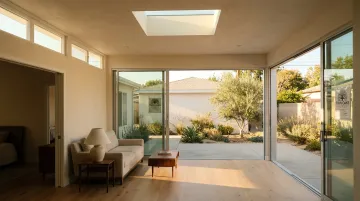
- Bi-fold or sliding glass doors on patios and sunrooms create true indoor-outdoor flow
- Transom windows above doors add light without sacrificing wall space
Design for Multi-Functionality
The added square footage should work harder than a single-use room. Features worth building in from the start include:
- Built-in shelving that keeps living areas uncluttered
- Murphy beds for guest rooms that double as home offices
- Window seats with hidden storage underneath
- Open layouts that can adapt as your household's needs change
Twin Oaks Construction integrates these features during the initial design phase, so they fit the space structurally and visually rather than being added as an afterthought.
How Much Does a Home Addition Cost in LA?
The same 400 square feet can cost $32,000 as a simple ground-floor addition or $200,000+ as a second story — the gap comes down to project type, structural complexity, and California-specific requirements. These ranges show where most LA-area projects land:
| Addition Type | Typical Cost Range |
|---|---|
| Bump-out | $10,000–$43,000 total ($90–$300/sq ft) |
| Garage conversion | $6,000–$27,000 total |
| Sunroom | $22,000–$75,000 total |
| Ground-floor room addition | $80–$200/sq ft |
| Second-story addition | $200–$500+/sq ft in LA |
| ADU | ~$166,000 average job cost |
What Drives Costs Up
Several factors push LA-area projects toward the higher end of any range:
- Plumbing additions — Running new supply and drain lines to a new bathroom or kitchen can add $10,000–$20,000+ to a project
- Foundation work — Conventional ground-floor additions require new footings; second stories may require foundation reinforcement
- Seismic requirements — California's structural standards add engineering complexity that doesn't exist in other states
- Title 24 energy compliance — California's building energy efficiency standards apply to additions and affect insulation, windows, and mechanical systems
- Finish selections — The difference between builder-grade and custom finishes can double interior costs
Budget a Contingency
NAHB recommends a 10% contingency for most remodeling projects, with 20% advised for owner-managed builds. The AIA also recommends 5–10% as a design contingency on construction costs. For Southern California projects, where soil conditions, aging infrastructure, and seismic compliance surprises are common, 15–20% is a reasonable buffer to plan around.
Navigating Permits and Zoning for LA County Additions
Every structural home addition in LA County requires a building permit. Skipping this step creates serious risks — unpermitted work complicates home sales, voids insurance claims, and can require demolition if discovered.
Which Agency Issues Your Permit
This depends on where your home is located:
- City of Los Angeles properties: LADBS (Los Angeles Department of Building and Safety) reviews plans, issues permits, and schedules inspections
- Unincorporated LA County: LA County Public Works Building and Safety handles permitting through the EPIC-LA system
What the Process Typically Involves
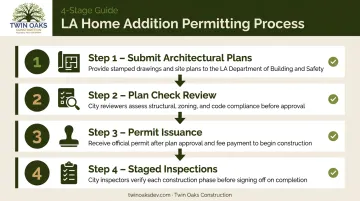
- Submit architectural plans — Drawings must show existing conditions and proposed work
- Plan check review — The agency reviews for code compliance; revisions may be required
- Permit issuance — Once approved, construction can begin
- Staged inspections — Foundation, framing, electrical, and final inspections must be passed before work is covered or the project is closed out
ADU projects move faster under state law: California requires local agencies to complete their review within 60 days, which is notably quicker than standard addition timelines.
Twin Oaks Construction handles the permitting process for clients throughout LA and Ventura Counties. With over 20 years working with local code officials and inspectors, their team anticipates review requirements and common revision requests — keeping projects on schedule and avoiding costly mid-project redesigns.
Frequently Asked Questions
How much does a 20x20 home addition cost per square foot?
A 400 sq ft ground-floor addition typically runs $32,000–$80,000 nationally, or $80–$200/sq ft. If that same 400 sq ft is added as a second story, costs jump to $120,000–$200,000+ — and in LA, second-story projects commonly run $300–$700/sq ft depending on structural complexity and finishes.
What is the 30% rule for home renovation?
The 30% rule holds that total renovation costs shouldn't exceed 30% of your home's current market value — a guardrail against over-improving beyond what comparable homes support. In high-value LA markets, most homeowners have substantial addition budget before reaching that ceiling.
Is it cheaper to build a house or add an addition?
Additions typically cost less once you factor in land, infrastructure, and moving expenses. NAHB pegs new single-family construction at around $162/sq ft nationally — excluding the lot — while a ground-floor addition at $80–$200/sq ft sidesteps those costs entirely, and you keep your existing mortgage rate.
Do I need a permit for a home addition in LA County?
Yes — all structural additions require permits in both the City of LA (through LADBS) and unincorporated LA County (through LA County Public Works). Working with a licensed contractor ensures compliance from the design phase forward, avoiding the legal and financial complications of unpermitted work.
How long does a home addition take to complete?
A garage conversion or simple bump-out typically takes 2–4 months from permit to completion. A second-story addition or new ADU runs 6–12+ months, with permitting alone adding 1–3 months upfront depending on jurisdiction and project complexity.
What home addition adds the most value?
Garage conversions lead on ROI at an estimated 80%, followed by attic conversions at 75%. ADUs and bathroom additions also perform well. Primary suite additions, while popular, recoup only about 32% of cost nationally — though in high-demand LA markets, any addition that adds functional square footage tends to outperform national averages.